Showing posts with label Fashion. Show all posts

Tuesday, February 18, 2020

Chemical Free Life - An intense desire


Most home cleaners are chemical -laden and toxic. Not only for us, but for our surroundings as well. Completely safe, bio-degradable cleaners, is something that we can do without much investment and as 'best out of waste' too. We can make natural, biodegradable, non-toxic, responsibly disposable, dish wash, toilet cleaners, laundry wash, floor cleaners. Recently home, my sister in law, is very passionate about this, and has an intense desire to spread Chemical free life style.

HOW TO MAKE DISHWASHER DETERGENT WITH LEMONS

Method 1:

Ingredients

2 cups lemon (Use both the rind and fruit with seeds removed, about 4 medium lemons)
3 1/2 cups water (Divided into 1 ½ cups and 2 cups)
4 oz white vinegar
4 Table spoon salt
4 shikakai/Ritha/Soap Nut
Pinch of turmeric for colour

Instructions

Pressure cook lemon, water, salt and soap nut. 3-4 whistles. Let it cool, filter out the solid parts. Add vinegar and pinch of turmeric for colour.

Method 2:

Ingredients

2 cups diced lemon (Use both the rind and fruit with seeds removed, about 4 medium lemons)
3 1/2 cups water (Divided into 1 ½ cups and 2 cups)
4 oz white vinegar
1 cup kosher salt

Instructions

Cut lemons into small ¼ inch thick chunks, making sure all seeds are removed. Place the lemons into a small sauce pan with 1 ½ cup of water.
Heat the lemons and water to a slow boil. Simmer for 20 minutes until water is reduced and syrupy and lemons are very tender. Make sure to stir frequently, add water if needed. Add the cooked lemon and syrup mixture to blender with 2 cups of water, blend on high until very smooth.
Strain lemon mixture back into your saucepan using a small colander. Add vinegar and salt to saucepan and stir until well combined.
Bring mixture to a slow boil and cook for 10-15 allowing it to thicken slightly. It will be the consistency of runny applesauce when done.
Cool completely in sauce pan, stirring occasionally to incorporate salty crust that may form on the top.

To wash dishes: Fill your dishwasher detergent dispenser with the fresh lemon gel. I use about 3 tablespoons of detergent.


HOW TO MAKE FLOOR CLEANER WITH LEMONS

Ingredients

Jaggery - 1 part
Lemon/Orange peels - 3 part
Water - 10 part

Instructions

The trick is to remember the ratio, 1:3:10- jaggery to citrus peels and water. Since the bio-enzymes are natural cleaning agents, you need not be completely accurate in the measurements but make sure you don’t stray away from them too much either.

Make sure the jaggery cubes are cut into small pieces to ensure they dissolve quickly. Keep stirring till all the jaggery is dissolved. Meanwhile, fill a plastic bottle with the peels. (Make sure you use a plastic bottle because unlike metal or glass, the plastic will allow the gases that form during chemical reactions to expand. This is also a great way to reuse disposable plastic bottles at your home). Fill jaggery solution in the bottle along with the peels. Now we just have to wait patiently.

The cap needs to be air-tight to allow uninterrupted chemical reaction. However, if the bottle you are using has a small opening, make sure you open the cap twice a day to release the gases formed.

The first batch of bio-enzymes takes about 90 days to prepare. The next batch, however, can be quickened if you use a part of the old batch with the fresh one.

HOW TO MAKE HOMEMADE MOSQUITO REPELLENT

Method 1

Ingredients

Garlic
Mineral oil
Water
Fresh lemon juice


Instructions

Mince a few cloves of garlic, cover it with mineral oil and let it sit for a day. Take a teaspoon of that oil and mix 2 cups of water along with a teaspoon of fresh lemon juice. Pour it into a spray bottle and keep the mosquitoes away.

Method 2

Ingredients

Lavender/oil - 15 drops
Vanilla - 3 Tablespoon
Lemon juice -1/4th cup
Distilled water


Instructions

Mix 15 drops of lavender essential oil, 3 tablespoons of vanilla extract, and a 1/4 cup of lemon juice into a spray bottle and fill the bottle with 2 to 3 cups of distilled water. Give it a good shake and spray this effective repellent (that also happens to smell good) onto skin and clothes.

Method 3

Neem oil when mixed with coconut oil acts as a very effective mosquito repellent. This mixture is especially effective against the mosquitoes that cause malaria. Simply apply the solution on your skin and keep mosquitoes far away.

Method 4

Camphor is also an effective way to keep mosquitoes away. Take a small bowl, fill it with water and put a camphor tablet in it. Keep it in a corner of your room. If you have a bigger room, use two of these bowls.

HOW TO MAKE HOMEMADE SHAMPOO

Method 1

Ingredients

Tender leaves of a hibiscus plant,
Tender vine and
Leaves of a pepper plant.

Instructions

Soak them overnight in water. The next morning, before you go for a head bath, crush the leaves in the water and use the liquid as shampoo. It may not form the foam that you’re used to.

Method 2

Ingredients

. Shikakai- 500 gms

· Soap Nut- 100 gms

· Fenugreek seed (Methi)- 250 gms

· Holy Basil (Tulsi) leaves- 1 twig full

· Green gram (Moong bean)- 250 gms

· Fresh curry leaves- 1 bunch.

Instructions

You need to clean all the ingredients underwater and put them out to dry in sun. They might take up to two days to dry off completely. Then, grind them to a fine powder. This is basically your hair powder.

Each time you want to wash your hair with this, mix a small portion of this powder with water and soak for about two hours. Even soaking overnight will work. Apply it on your scalp, gently massaging it for about five minutes and wash it away, as you do with your regular shampoo.


HOW TO MAKE HOMEMADE TOOTH PASTE AND TOOTH BRUSH

Ingredients

A tablespoon of refined camphor,
one tablespoon of sugar,
one teaspoon of alum (Paṭikāram, फिटकिरी/phitakiree)
two tablespoons of sunflower oil and
five drops of clove oil for this.

Instructions

Just mix these ingredients for the Ayurvedic toothpaste! That’s it! Camphor and alum will make your teeth strong and white, while clove oil will strengthen your gums. The sugar will add sweetness to the paste, so you don’t cringe while you brush.

Match this Ayurvedic toothpaste with a Neem twig toothbrush. Simply soak a twig in water for about 24 hours, so that it softens. Crush a tip to use it as bristles. Cut the part after use, and discard. Repeat the process the next day.

HOW TO MAKE HOMEMADE TOOTH POWDER

Ingredients

100 gms charcoal from rice husk,
pepper,
two cloves,
2 cardamoms,
sweet fennel,
salt and refined camphor.

Instructions

Grind them together to make a fine powder. Store it in an air-tight bottle or box. Each time you use the powder, make sure you massage thoroughly or leave the powder on your gums and teeth for about five minutes.


HOW TO MAKE HOMEMADE BATH POWDER

Ingredients
200 gms of wild turmeric,
200 gms vetiver (kas kas),
200 gms sandalwood,
200 gms holy basil and
500 gms powder of the fruit of soap nut acacia tree.

Instructions

Grind them into a fine powder. Store the powder in an air-tight container. When you use it, mix it with some water to make a paste and use it as you would use a body wash.


HOW TO MAKE HOMEMADE SOAP

Ingredients

· Powdered fruit of soap nut acacia tree- 200 gms

· Holy basil, Neem leaves and raw turmeric- 250 gms each

· Coconut oil- one kg

· Refined camphor- 15 gms, dissolved in 100 gms of coconut oil

· Glycerin- 100 ml

· Caustic potash- 250 gms

Instructions

The first step is to crush the holy basil, neem leaves and raw turmeric in 1.5 litres of water, and sift the residue. Add to the mixture, the powdered acacia fruit and bring to boil. Once the mixture is boiled, close the vessel with a lid and keep it so for a day. The next day, sift the mixture and bring to boil once again. While heating, keep adding little portions of caustic soda, making sure you stir it well. Once the mixture is homogenous, allow it to cool.

Add the coconut oil when the mixture comes down to room temperature, stirring thoroughly.

The mixture will start solidifying soon. This is when you add the glycerin and the refined camphor-coconut oil mixture. Keep stirring.

Take a flat vessel that is at least three inches tall and pour the mixture in a way that it stands two inches thick. Let it dry for about 2-3 days. Cut it into a shape and size you want. Your Ayurvedic soap is ready!
These will not only make your homes better, but will help us leave the planet better than we found it.


HOW TO MAKE SINDOOR

Ingredients

1 kg whole turmeric crushed into powder. You could buy turmeric powder if you find it too tedious to crush turmeric at home
40 grams alum or phitkari
120 grams borax or suhaaga
Enough lemon juice to make a paste (the juice of about 20- 25 lemons should be enough)
2 table spoons sesame oil

Instructions

Mix the alum powder and borax powder with the lemon juice to make a solution.
Pour this on the turmeric powder and mix, to make a paste.
Dry this mixture in the shade for two to three days — you will see the turmeric turn red.
Once it is completely dry, take a few drops of till oil on your palms and rub the powder in between your palms. Take a little at a time such that the powder is just moistened with the oil. Be careful not to make it into a paste.
Now store this kumkum or sindoor in a porcelain, glass or wooden container.
Use this as and when required.

Tip: If you buy sindoor or kumkum commercially, a good way to test for its authenticity is to take a little bit of it on a white piece of paper. Now fold the paper and rub the two halves together. You should see only a yellowish stain of haldi and no other colouring.

HOW TO MAKE KAJAL

Here are the different methods of making kohl at home.

Method One
Things required:

Two bowls of equal size
A small lamp (diya) with oil and a wick in it
A steel plate
A handful of almonds
Almond oil
Place the diya on the floor and light it. On either side of it, place the bowls. Place the steel plate on top of them, using the bowls as a stand. Make sure that the flame touches the bottom of the steel plate. Now place an almond on the centre of the plate. Each almond should burn for around three minutes (one and a half minute on each side). Discard the almond after three minutes and repeat the process with the rest of the almonds. When the almond burns, it releases oils that then form the soot. Once you’re done burning all the almonds, scrape out the soot using a knife and store it in a clean container. Add a drop of almond oil to it and mix well to form your kajal.

Method Two
Things required:

Two bowls of equal size
A small lamp (diya) with oil and a wick in it
A steel plate
Castor oil
Light the diya and place it on the floor. Place the bowls on either side of it. Apply some castor oil on the steel plate and place it on top of the bowls. Let the plate heat up for half an hour. The castor oil will burn and the soot can then be scrapped off and stored. Add a drop or two of oil to bring the kajal to the desired texture.

Method Three
You can follow the exact method described above but substitute castor oil with ghee. Ghee is very helpful in cooling the eye and getting rid of dark circles. So if that is your concern, then use ghee in place of castor oil and follow the instructions given in the above method.

Method Four
Things required:

Two bowls of equal size
A silver or copper lamp
Castor oil
Pure cotton wick
A copper plate
Fill the lamp with castor oil and dip the cotton wick in the oil and light the lamp. Place the bowls as stand and place the plate on the bowls. Make sure the plate is turned upside down as it needs to collect the soot from the lamp. This method requires a lot of time so it is best if you do it at night. Do this before you go to bed, making sure the lamp is in a secluded place and will not be put out by wind. Let the lamp burn for around ten hours. Carefully upturn the plate (use towel as the plate will be super hot) and scrape out the soot using a knife. Store it in a clean container, adding a drop or two of oil to it.

Method Five
This method follows the exact steps of the above method with the only difference being that the cotton wick is dipped in sandalwood paste and let to dry. This is done repeatedly till the cotton has absorbed as much of the sandalwood paste as possible. This wick is then used to make the kajal. The soot obtained thus is particularly helpful in cooling the eyes.

Method Six
Things required:

Ten camphor pellets
Two bowls to act as a stand
Two copper plates
Place a plate with the camphor in its centre and place the bowls on either side of it. Place the other plate (inverted) over the bowls. Light the camphor and let it burn out completely. The soot gets collected on the inverted plate and can be scraped out and used as kohl. The camphor has amazing cooling properties and will keep your eyes clean as well. This is probably the quickest method of making kajal. The camphor burns really quickly and the entire process will take you less than ten minutes.

Method Seven
Things required:

Muslin cloth (four by four inches)
3 to 4 Ajwain seeds
Sandalwood paste
Copper lamp
Copper plate
Two bowls of equal size
Castor oil
Dip the muslin cloth in the sandalwood paste and let it dry in shade. Place the bowls on either side of the lamp and fill the lamp with castor oil. Keep the Ajwain seeds in the muslin cloth and roll it to form a wick. Tie the ends with a thread to keep it from coming apart. Light the wick and place the plate on top, using the bowls as a stand. Let the lamp burn till all the oil is exhausted. The soot collected on the plate can then be scraped and stored in a clean container.

Method Eight
Follow the steps given in the above method with a slight variation. Smear some Aloe Vera onto the plate before placing it over the lamp. This way, the cooling and healing properties of the Aloe Vera also gets encompassed in the final product.

Note: Make sure that all the things that you use, right from the knife to scrape off the soot to the container to collect it in are clean. Also, try to use a silver container to store your Kajal if possible. Use an eyeliner brush or a Q-tip ear bud to apply the Kajal.


QUICK BITS

1) Heat ghee and let it cool in a glass container. This will work as a natural lip balm, but even better!
2) Greasy kitchen top, Gap stove - wipe with vinegar
3) Oily floor/vessels - use wheat/rice powder
4) Have plants around, even inside the house.
5) Avoid plastic bottles and canned foods. ...
6) Filter your tap water. ...
7) Keep shoes out of the house

Monday, February 17, 2020

The Red Dot


This is not about 'The Red Dot Award' or the 'Red light' in the traffic signal or other places; but the Red dot on Women's forehead.

Whether you call it a bindi, pottu, thilak, bottu or bindu, this dot that adorns the foreheads of Indian women is what I am pondering over today; especially after seeing how it was being distributed, among others, and worn even by muslims with their burqa, in Seattle City Council, just to vote against CAA - I felt it to be a cheap act. May be this was distributed and worn by the ladies, to make them feel Indian?

Have you ever seen them? Do you know who wears it and what is it's significance?

Many know of the pottu as an Indian fashion accessory, thanks to pop stars like Madonna, Gwen Stefani or Selena Gomez who brought this to spot light internationally.


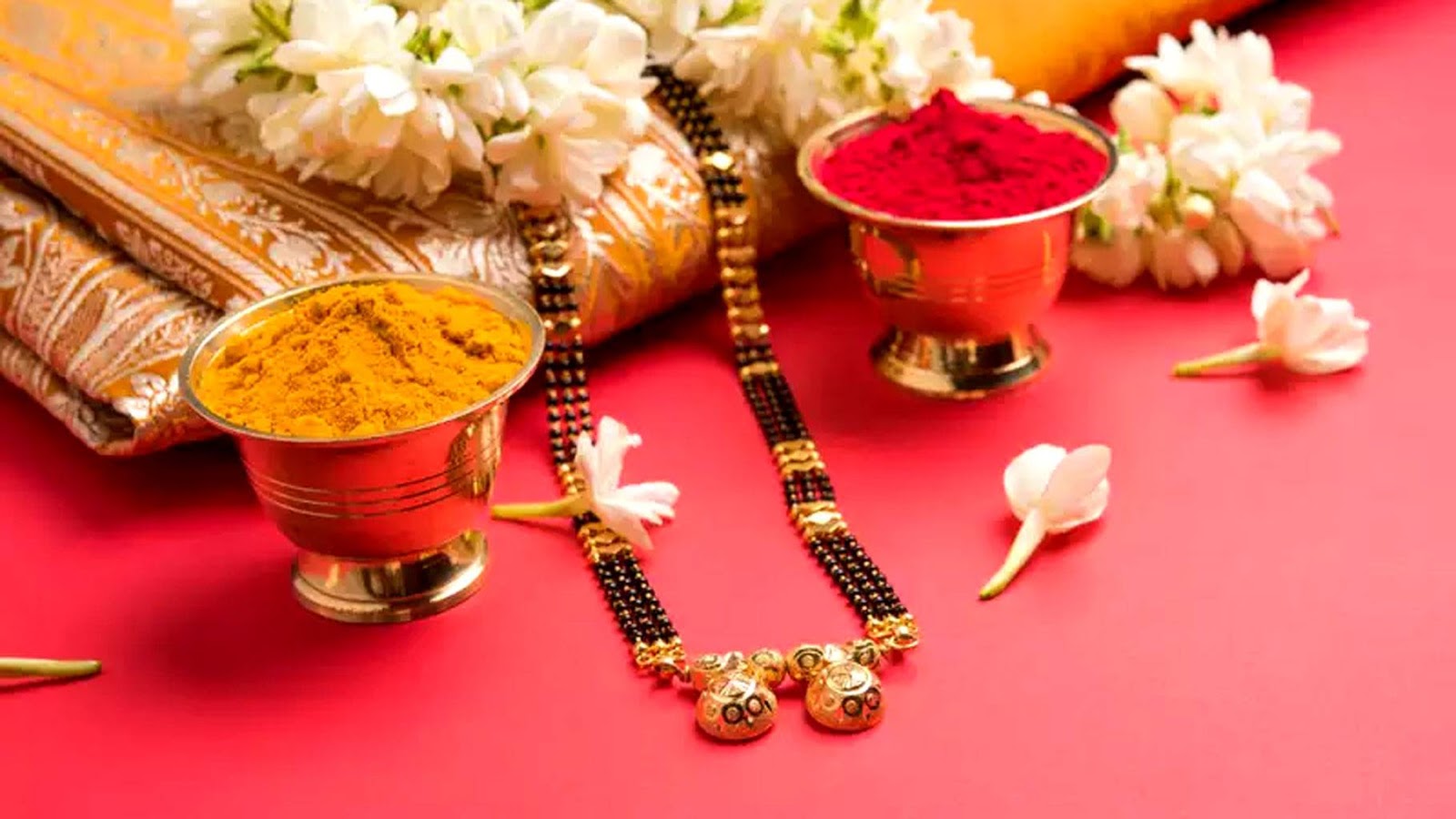
A red pottu is something special and it identifies you as a married Hindu woman. It’s worn between the eyes as this point is said to be the most important pressure point, which is known as the Ajna chakra – the spiritual eye or third eye that is the place of wisdom and the center point of concentration. It is also said that the energy emerges from the base of the spine while meditating and moves to the head. Ajna chakra is the point where the energy is released. The pottu is believed to cool the forehead and prevent energy loss. Some consider it has the ability to ward off bad luck. The colour red signifies Goddess Shakthi and love. Traditionally, pottu has been applied with kungumam, a red powder made of saffron or turmeric, something which is said to give many benefits. There are various sticker versions available now which may not give the same noted benefits. Regardless, the red colour of the pottu indicates the marital status of women. In addition to the bindi, in India, a vermilion mark in the parting of the hair just above the forehead is worn by married women as commitment to long-life and well-being of their husbands. During all Hindu marriage ceremonies, the groom applies sindoor in the part in the bride's hair and ties a mangalsutra around her neck. (Had a separate post on Mangalsutra a couple of years ago)


If you compare this to the wedding ring, anyone can wear a ring on any of their fingers. But wearing your engagement ring or wedding band on the left ring finger is considered special and indicates your marital status to the rest of the world. It’s not very common for women to wear an engagement ring or wedding band as a fashion statement. Then how is it that we don’t give the red pottu the same amount of respect instead of using it as a mere fashion statement? After all, just as the engagement ring is considered to be a Western symbol of marriage, the red pottu is a part of our culture. A black Pottu is never adorned by a married woman as this is considered inauspicious; though unmarried girls use it.

Pottu, Tilak or the like are kept by both men and women in India, in the middle of their forehead since time immemorial. In earlier times, the four castes (based on varna or colour) – Brahmana, Kshatriya, Vaishya and Sudra – applied marks differently. The brahmin applied a white chandan mark signifying purity, as his profession was of a priestly or academic nature. The kshatriya applied a red kumkum mark signifying valour as he belonged to the warrior races. The vaishya wore a yellow kesar or turmeric mark signifying prosperity as he was a businessman or trader devoted to creation of wealth. The sudra applied a black bhasma, kasturi or charcoal mark signifying service as he supported the work of the other three divisions. Also Vishnu worshippers apply a chandan tilak of the shape of “U”, Shiva worshippers a tripundra of bhasma, Devi worshippers a red dot of kumkum and so on. The tilak is applied with the prayer – “May I remember the Lord. May this pious feeling pervade all my activities. May I be righteous in my deeds.” The tilak and pottu cools the forehead, protects us and prevents energy loss. Sometimes the entire forehead is covered with chandan or bhasma. From a health point of view, the Bindi is worn between the eyebrows where the pineal gland lies. This is an important nerve center and applying sandalwood or ash keeps the nerves cool and so keeps you cool and conserves energy. Using plastic reusable “stick bindis” is not very beneficial, even though it serves the purpose of decoration. Modern accessories, can even cause skin cancer.

Why on Forehead? - In the Kundalini system (7 'chakraas' or 7 nodes/junctions in the human body starting from area between anus and the genitals to the area of the crown of the head), the 'Ajna' chakra (I call it the Agnyaana or Gnyaana chakra) is in the area behind the region between the eyes on the forehead. Modern science showed that the Pineal gland & Pituitary gland reside there, and we know that the function these two glands serve in our body are highly important. The ancient Vedic folk believed that this region emanates significantly powerful waves of energy, which if prevented from going outside the body benefit the body internally greatly. That is why that region is covered (hence the dot with the red powder - a mixture of limestone and turmeric). Modern experiments also showed that meditation impacts the functioning of the pineal gland somehow. Vedic folk realized that the area in the brain directly behind the region between the eyes on the forehead has to do with memory, concentration and mental clarity. Accordingly, this region heats up throughout the day as we use our brain, and hence the white sandalwood power or the red powder cools and nurtures that part of our body somehow (a good thesis subject for a modern Phd student).

We do have so much of policing around, I am not a pottu or a traditional police, nor particular about these, but for last few months, it has been an important part of my life. With one year of rituals after the death of my Mother-In-Law; it has been a practice that we should not wear Sindoor at the beginning of the pooja, can wear a turmeric tikka (as there should be something on the forehead always), and half way through, Wadyar would ask us to go apply sindoor and come, both on forehead and in the parting of hair just above forehead. My father was very keen of always having a tilak on his forehead - mostly white and yellow, and at times read. We did have an interesting discussion, when he went to the US visa interview with it. He was determined, in case that be the cause for rejection, so be it. He would say 'Kulchial thodathavane, thottal kulikanam' - meaning - If you do not apply something on your forehead after your bath, anyone touching you will have to bath again.

In India, bindis are widely worn by women from many different religious and cultural communities, including Hindus, Jains, Sikhs, Buddhists and Catholics, today basically as a fashion accessory. But if you go to church - especially the orthodox/Jacobite the father would ask us to remove the pottu (it has happened to me). Wearing a bindi or mangalsutra signifies a lack of faith in Almighty God, our Creator, who is the best to protect. In India too, these days few hindu married women too do not wear this out of fashion, or as we become secular, it has always been part of the culture, and is even shown in movies. That is why people always wonder, why Rekha always moves around with Sindoor.
We do have the famous dialogue - 'Ek chutki Sindoor khe Kimath' - The value of a pinch of Sindoor - Indeed is precious.

Tuesday, July 23, 2019

Fashion Pageant's

Winning the Miss India pageant is a dream which many uphold, but only few taste the glory of its success. Often wonder what is behind these? It is not only a platform to represent one's state, culture and traditions, but also a contest which provides a great opportunity to celebrate one's beauty as well as thinking. Winners participate in one of the global titles viz:

The Miss Universe a company run by women for women. The pageant started in 1952, and requires a combination of beauty, brains, and class;
Miss World one of the oldest beauty contests in the world. It was established in 1951 by a British advertising agent named Eric Morley. It was initially envisaged as a one-off event, but it turned out to be so popular that it became a yearly event.
Established and organized in 1968 by a group of professionals and civic-minded businessmen, Miss Asia Pacific International, was originally a non-profit corporation with the principal intention of promoting peace, goodwill, trade, and tourism among participating nations - in Asia, the Middle East, and the Pacific.
Miss Earth and Miss International are one of the Big Four most coveted pageants.

From Zeenat Aman to Aishwarya Rai, India's achievements at the international pageants are remarkable. The first Miss India was Pramila (Esther Victoria Abraham), from Calcutta, who won in 1947. It was organised by the local press. Her daughter Naqi Jahan, was crowned Eve's Weekly Miss India in 1967, representing India at the Queen of the Pacific Quest beauty pageant in Australia. They are the only mother and daughter to have both won the Miss India title.

In 1952, two Miss India pageants were held, Indrani Rehman and Nutan were the winners of the pageant. Nutan was crowned as Miss Mussorie. The pageant was held by the local press. Indrani Rehman was crowned at Brabourne Stadium in Mumbai in the month of April 1952. She is the daughter of Ragini Devi (nee Esther Luella Sherman), who was a great dancer and worked for revival of Kathakali, and her father was Ramalal Balram Bajpai. Indrani later represented India at Miss Universe 1952, the inaugural edition of Miss Universe pageant. Fleur Ezekiel brought India into the spotlight after becoming the first Indian to participate in Miss World, in 1959. Historically, the Femina Miss India pageant sent the winner of the pageant to the Miss Universe pageant and a runner up to Miss Asia Pacific pageant and on some occasions the 2nd runner up used to represent India at International Teen Princess contest, whereas Eve's Weekly, a rival women's publication sent the winner of its Miss India contest to Miss World and Miss International.

The first ever Femina Miss India pageant was held in year 1964. After acquiring the rights to send India's representatives to Miss World, Femina Miss India used to select three winners who were then sent to Miss Universe, Miss World and Miss Asia Pacific International pageants, respectively. In 1994, after India's dual historic win at the International pageants, the organisation ended the practice of crowning a single winner and instead decided that the top three winners were designated as winners with equal visibility and prizes. In 2010, after the I Am She - Miss Universe India acquired the rights to send India's representatives to Miss Universe, Femina Miss India crowned three winners as Femina Miss India World, Femina Miss India Earth and Femina Miss India International, the third winner represented India in Miss International pageant. Since 2017, each of the 30 candidates represents their state at Femina Miss India pageant: I AM She – Miss Universe India sent its delegates to Miss Universe from 2010 to 2012. since 2013 a separate pageant Miss Diva has been held to send delegates to Miss Universe and the Miss India winner will represent India at Miss World annually.

Meenakshi Seshadri, Juhi Chawla made big in Bollywood from here, Mehr Jesia, Madhu Sapre created waves being super model, and brought in many people’s interest.


1994 was an epochal year for Indian beauty queens internationally. Sushmita Sen won the Miss Universe crown in Philippines and in the same year, Aishwarya Rai triumphed in the Miss World title in South Africa. It was a year when even girls from strict families and conservative small towns were given the go-ahead--even encouraged and goaded---to follow the footsteps of Sushmita Sen and Aishwarya Rai. coaching institutions sprouted all over India to groom girls in pageant participation skills. That year

Miss India International - Francesca Hart

Miss India Asia-Pacific - Swetha Menon

Miss India Tourism World Wide - Barkha Madan: 3rd Runner Up

Francesca was not able to represent India internationally? It’s still a mystery. ‘Sushmita participated in Miss India’s beauty pageant the same year when Aishwarya Rai gave her name and at least 25 participants withdrew their names because they thought that Aishwarya was too beautiful [an way too established a name as a model] to be outshined during the beauty pageant. But as fate had it, Sushmita won the Miss India Universe title and Aishwarya came in a close second and had to make do with the Miss India World title

Though Aishwarya Rai was a known model and also a favorite contestant of the judges in the 1994 Miss India pageant, Sushmita Sen was relatively new to the circuit. When the name of the winner was announced, speculations started as to what made Aishwarya Rai lose the game to Sushmita Sen.

Aishwarya dealt with fame much better than Sushmita. But she has penned down a beautiful note.


Three Indians made a total sweep in 2000: Lara Dutta, Priyanka Chopra and Dia Mirza went on to win Miss Universe, Miss World and Miss Asia Pacific International (predecessor of Miss Earth pageant) titles respectively


India holds the most Miss World title holders - 6 winners. The first Indian crowned Miss World was Reita Faria in 1966, followed by Aishwarya Rai in 1994, Diana Haydon in 1997, Yukta Mookhey in 1999, Priyanka Chopra in 2000 and now Manushi Chhillar in 2017

Two — Miss Universe crowns viz Susmitha Sen and Lara Dutta and three Miss Asia Pacific International. Zeenat Aman in 1970, Tara Anne Fonseca in 1973 and Dia Mirza in 2000.

In 2010, Nicole Faria from Bangalore became the first Indian woman to win the Miss Earth pageant .

“I am still a part of the crowd today, as inconspicuous as everyone else, the faint spot light that once shone on me long gone. And yet I believe that each one of us is conspicuous in our own way. In our little world that we have created for ourselves. The people whom we have chosen as our life partners, the little lives whom we have brought into this world, are all greater accomplishments I would say, and as such we all are Miss India's or Miss Worlds in our own right!” – So says Mehroo Turel who participated twice in the Pagent… A date with Fate…

Sunday, April 24, 2016

Sarangi


My Friends Venture. "To Be a A Girl with a mind, A women with an Attitude and a Lady with Class". Don't be afraid of being different, be afraid of being the same as every one else. Wearing a strong piece of jewellary is like having an extra armor.

Sarangi deals with handmade 92.5 silver and German silver Indian jwellery - Visit https://m.facebook.com/Sarangi-570583983101231/Pls go through the FB page..If u like anything please inform in that page itself. .Just leave a comment or message. .and you will get your reply..

Enjoy the specially hand designed jewellary from my Friend - Proud of you dear, and all the very best in your venture. Go and grab yours...

Sunday, November 22, 2015

Eyes

While your eyes speak volumes of how you feel, the very shape of our eyes can reveal a lot about you?

“Eyes are the windows to the soul…” The face is the portrait of the mind, the eyes-its informer

1. If your eyes are bigger than the rest of your facial features, you have big eyes. They not only look appealing but also are the mark of someone who is receptive to the conscious and subconscious. You have an open mind and approachable personality. It is easy to open up to people like these. They are warm and welcoming.


2. If your eyes are samll You are precise and love details and observant and love to gain expertise over matters that interest you. You are farsighted and focused. You don’t trust people easily and can often be misunderstood as cold and arrogant.

3. Almond eye shape looks exotic and holds deep mystery and appeal. You are warm and compassionate, but you keep your cool and don’t let emotions out of control. You stay composed and attentive at most times.

4. People with Round eyes are very creative and artsy. You stay lost in imagination and have Strong ideologies. You are dreamy and moody and can border on impracticality. You often get carried away by your emotions and find it tough to keep your thoughts and feelings to yourself. Your charm is such that even though you can hurt people with your sharp tongue, they are attracted to you again.

5. People who have close set eyes are staunch believers in customs, history and traditions. They respect the old world beliefs and can sometimes be very stubborn. They are focused and hard working but can be very resistant, even stressed because of even little changes in their lives

6. Peope with wide set eye are extremely adventurous and experimental. You love trying out the latest trends, be it fashion or lifestyle. You love freedom and cannot easily stick to a routine. You find love and success in areas where there is a lot of freedom and liberty allowed.

7. If you have deep set eyes that seem to be a bit sunken, you are intense and captivating. You are passionate and romantic and have great analyzing skills. You like to keep things private and are a keen observer.


8. People with eyes that bulge out a little like to stay protected in a circle of close friends. They are sensitive but very approachable. They love meeting new people and are warm. However, they get worried easily and stay stressed. Pessimism is also one of their negative traits.


9. People with upward slanting eye/Cat eye are Ambitious and witty, determined and focused. You like to achieve what you have set your eyes on! Your company is fun and interesting as you are a great conversationalist, but people may see you as an opportunist and maybe slightly selfish.


10. People with downward slanting eye have a closed circle of friends, you don’t trust easily and can get pessimistic. Your self-confidence is dwindling and is easily dominated. You can’t say NO easily and can get very needy and brooding. However, you make friends for a lifetime.

Search deeper and the biggest mysteries of mankind will unravel themselves for you!

This blog ‘What does the shape of your eyes say about your personality?‘ was originally published on LimeRoad Blog.